Author Archives: The Reluctant Girl Scout

Unknown's avatar

About The Reluctant Girl Scout

Let's be honest: I haven't been a Girl Scout since the Reagan Administration. What I really am is a writer, a teacher, and a muser, who goes places (reluctantly) and loves them a lot (once I get back home).

A Little Cup of Zim

Standard

RGSCederbergTeaHouseFlags102113

Sometimes on weekends Z and I get this awesome $9.99-a-day car rental from Enterprise because we’re “preferred customers.” The only time this is useful is in the winter when the tourists have gone away and there is a surplus of cars or when we are at the airport rental facility where we can zip into the preferred customer lane and by-pass the line of people, who are generally looking at us as if they hate us. (If I’m dressed well and can pretend I’m someone important, it bothers me less, but when I look like a hobo, I feel guilty because normally I’m just one of the poor slobs waiting in a tedious line right along with everyone else.) In fact, this summer right before we left for Zimbabwe, being a preferred customer was not helpful at all. We tried to return a car to a different location the day before we left to make our schedule a little less tight, and the preferred customer customer service representative basically said, “tough luck” and then had the nerve to ask, “Is there anything else I can help you with?” seemingly oblivious to the fact that he hadn’t helped me at all. Normally, I’m so sweet and placating to service people that I make myself nauseous, but because I was stressed out from packing, I had no sweetness to give this person in a call center in Dubuque who was not sympathetic to my plight. So I said very sharply, “Well, the time to help me would have been now, and you can’t seem to do that.” The thing about a cell phone is that it is not so satisfying to hang up as a phone with a cradle, where you can take out your frustration on a safe, inanimate object.

Remind me why I’m telling you this story? See, I just got all annoyed again and lost my train of thought. Okay. I think I’ve got it.

So Saturday we had a rental car simply because it was cheap, I had a baby shower to go to, and the whale bathtub that the impending baby was getting as a present from us would have been a pain to tote on the bus. After the shower was over, Z picked me up and we were both pleased that I’d scored a jar of peanut m&ms as a game prize and a jar of homemade jam from one of the hostesses, but we couldn’t figure out how to celebrate my winnings. We made no plans for the car beyond the drive to the shower. We weren’t ready for the day to be over, but driving around aimlessly seemed pointless. Fortunately, as we got closer to home (exclaiming over every red, orange, or yellow tree we zipped past), Z remembered that there was a South African tea shop that he’d been wanting to check out in Queen Anne.

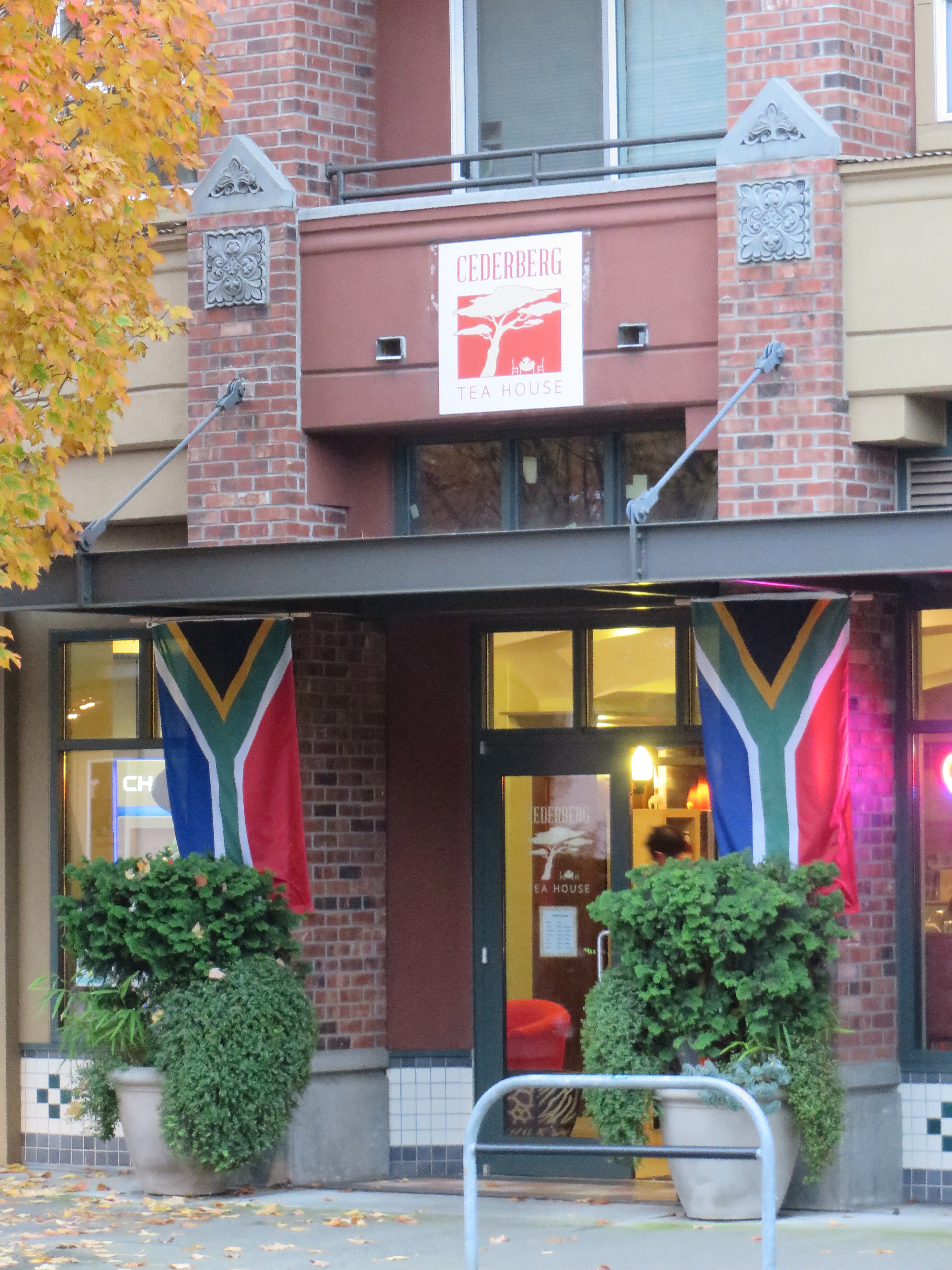
We couldn’t remember the name of it or where it was exactly, and my semi-smart phone was dead, so we were flying blind. I vaguely remembered that the front of the building where it is was “kind of roundy” and Z was fairly certain that it was upper Queen Anne at the top of the hill. So we drove and went ahead and parked in the area where we thought it might be, and we were about to cry uncle and go to Chocolopolis, which looked promising. And then I spied the South African flags. Above it was this sign, with what might be the world’s most charming business logo.

RGSCederbergTeaHouse102113

It’s worth noting here that I am about to commit one of the sins that Z hates. I am about to talk about being reminded of Zimbabwe and tasting the flavors of Zimbabwe and feeling a little like we were home in Zimbabwe. As if Zimbabwe and South Africa are the same country. They are not. They have their own cultures and customs and foods, but some of these things have been adopted or shared so for our purposes, let’s pretend they’re second cousins anyhow.  (And word to the wise, if you ever talk to Z in person, be sure to let him know how clever you are and that you recognize there is no country called Africa, that you fully recognize it as a continent containing diverse sets of people. He’ll think highly of you for making that distinction!)

In a land of coffee houses and no southern African food, Cederberg Tea House was a real treat for us to stumble upon. Rick often misses the tastes of his “real” home and goodness knows, if it’s not Pop-tart Surprise, I can’t duplicate it.  The shop was inviting. There was a good bunch of tables and chairs, plus the requisite sofa and overstuffed chairs by a fireplace. Photos of African animals lined the walls, and there were even two stands that displayed various specialty items that I’d been looking at with some regularity with Z-ma in Harare. (Who doesn’t want Eat-sum-more cookies?) My favorite thing there though was a collection of Origami African animals that had been folded out of animal print paper. Adorable.

Eet-sum-mor

The South African woman who runs the shop with her parents and her husband greeted us warmly even though it was close to closing time.  She recognized Z’s accent and so they talked briefly about home while I peered in the case at the koeksisters and melkterts. We ordered a pot of black  tea and then listened as other customers came in and the woman explained to them the variety of teas they had and their special concoction that makes a sort of tea espresso.
Our pot of tea came in a groovy pot on a contemporary tray. A delicious butter cookie each rested on the doilies under our very modern cups. In addition, we’d each ordered a koeksister.

The verdict? Delicious. The tea was good. We personally think Z-ma’s koeksisters are more delicious and certainly we appreciate that she presents ours to us in a plastic tub filled with multiples of the little syrup-soaked pastry twists, but these at Cederberg Tea House were a very, very close second, so we were not complaining.

We stayed longer than we meant to, making comparisons and reminiscing about our time in Zimbabwe last month. We studied the menu to see what we might get next time (sandwiches!).  It was a bit of unexpected fun that our rental car drove us to this weekend, and I think it may get put on the “things our guests should experience” rotation, since most of them might not have a chance to go to southern Africa. You really shouldn’t have to live your life not knowing what koeksisters taste like.

P.S. You should visit their website and read on their blog about the contest for their sign and how it went missing: http://cederbergteahouse.com/

A Beautiful Day in the Neighborhood

Standard

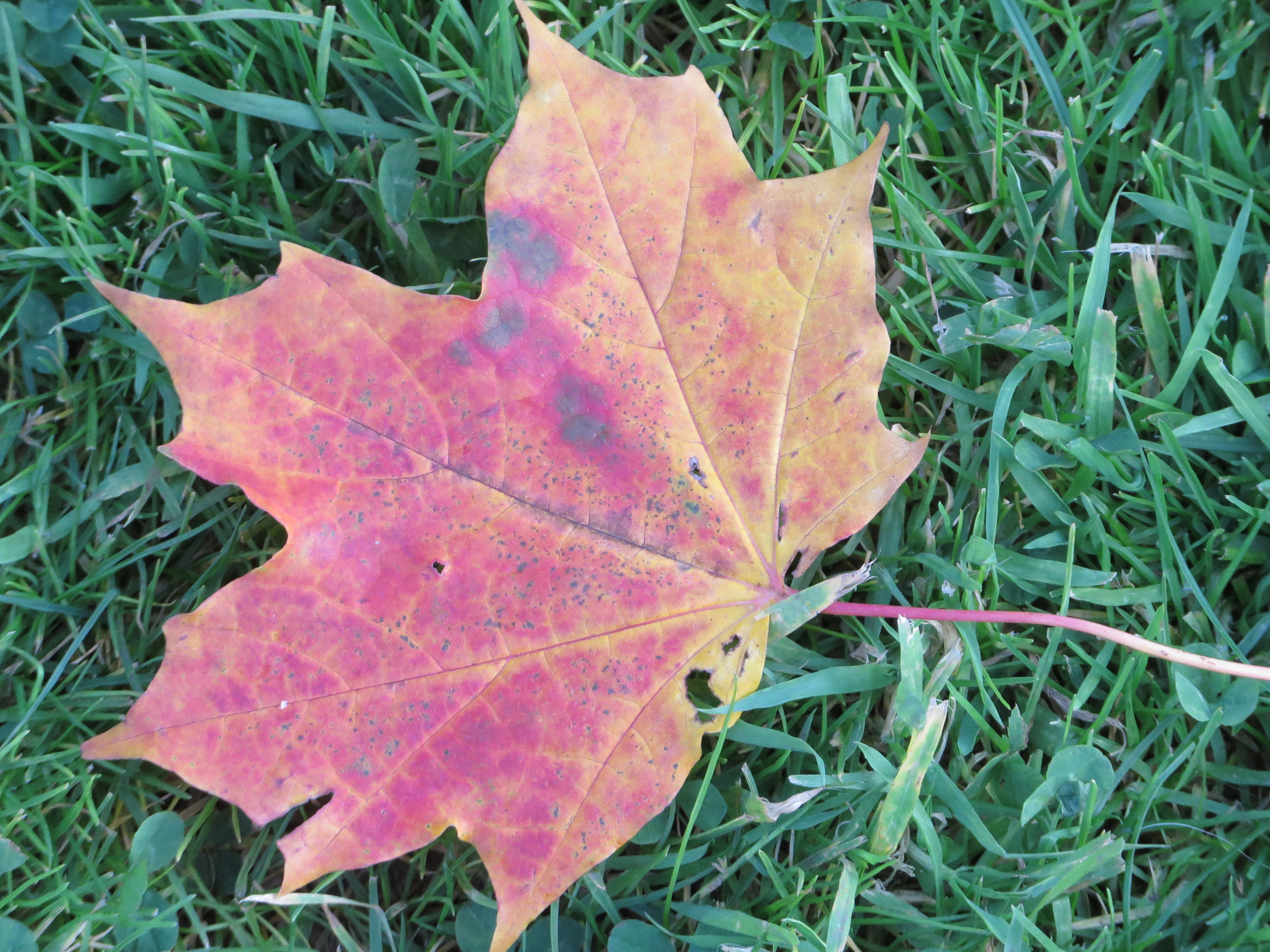
Leaf

One of the things I’ve learned to love in Seattle is a sunny day.  It’s not that they’re exactly rare here (Indiana has its fair share of grey), but when the sun is out like it was today, it’s a celebration and I don’t want to ignore it on the off chance that I won’t see it again until May.


Since I had an errand to run near Z’s campus, I decided to make an afternoon of it. I loaded my bag with a book of Lopate essays, my laptop, and my camera, and headed to a picnic table under a maple tree within sight of my beloved dog green.  Z came out of his office to give me a kiss before heading off to his class, which was also a bonus. I held my face up to the sky and I swear I could feel the Vitamin D going right into my pores. (This is not something you will ever see me doing when the temperature is above 65, by the way.)


Before I had a chance to pop open my laptop, an older guy ambled toward me. He was carrying a paper coffee cup and a reusable grocery bag, and because the sun was in my eyes, I had no idea how to categorize him: should I smile or gather my belongings and find another spot. Before I could suss him out,  he said, “Do you mind if I share this space. I’m a writer. I won’t talk to you.”


I could hardly say no to a writer who promised not to speak. Fortunately, it was a day when I was feeling great love for Seattle and all its people and not one of the days when I want to scream at passersby, In the name of all that is holy, can I not have two quiet square feet to myself for fifteen minutes? Because it was a good day, I sat beside this stranger and wrote. I tapped words into my computer and he scrawled out pages in a dark script on a steno pad. I wasn’t tempted to look surreptitiously at what he was writing, though I did glance at him out of the corner of my eye when I heard him reading what he’d written under his breath.


Some of my more extroverted writer friends have writing partners, people with whom they get together on a regular basis and sit for a couple of hours working on novels. I’ve never understood. In general, any sort of human distraction is deadly to me. I can’t imagine getting together with a friend and not spending the designated time talking about writing instead of doing the actual work. The only reason I can write with Z is because he has this willpower and focus that doesn’t allow for interruptions or distractions. (Such an annoying trait when you yourself want to goof off.)


It was a bit of a surprise when I looked up from my laptop and it was almost two hours later.  Because this complete stranger had been sitting beside me, it hadn’t occurred to me to waste time in all the ways I usually do. There was no internet surfing. No staring at the dogs. No watching passersby and guessing what their lives were like. I put my head down and I wrote. (Though it was impossible to ignore a squirrel with its mouth full of orange maple leaves that stopped a foot away from me and stared.)


The sun had started to go down and it was too cool to comfortably sit still and write anymore. Z would be coming along soon and there was a particularly bossy corgi on the green that I wanted to see up close. I packed up my stuff and the man said, “It’s been a pleasure writing with you. You’re an excellent writing partner.” I commented on his handwritten drafts and my need for the keys clicking under my fingers. He told me to have a good evening. The end. Perhaps I am capable of getting together with someone and writing so long as he or she is a total stranger. Before you know it, I’ll be writing in coffee houses just like a bad Seattle cliché.


So that’s it. One perfect fall day. If the rain comes this weekend and knocks all the leaves down, I won’t be able to complain.


Idle Worship

Standard
Margaret Atwood at Town Hall, Seattle

Margaret Atwood at Town Hall, Seattle


Sometimes I feel stuck and I have no idea how to unstick myself. My lack of traction at the moment is that for over a week I’ve been wanting to write a post about Margaret Atwood, a literary idol of mine, who spoke at Town Hall Friday before last. None of my words seemed worthy of hers. When I read her dystopian novel, The Handmaid’s Tale, in college, it changed my life irrevocably. I don’t say that easily about many books, and maybe at 20 I was ripe for change and new ideas anyhow, and her writing just happened to be what I latched onto. Shortly after I discovered her, I heard her speak, and then spent part of my twenties wishing I were more like her: cleverer, more driven, more prolific, more talented, and considered part of the literary canon.


Maybe it’s not surprising that I’ve spent ten days typing a line and deleting it, only to start again with a slightly less good line. I’m hoping I can sneak up on it sideways to see if I can get the job done.


Town Hall has nothing to do with city governance in Seattle and everything to do with culture, and though I often curse on nights when we have a rental car and can’t find parking because there is a concert or speaker there, I have to admit that one perk of being in Seattle and living on First Hill is that Town Hall is a single short block from where I live.


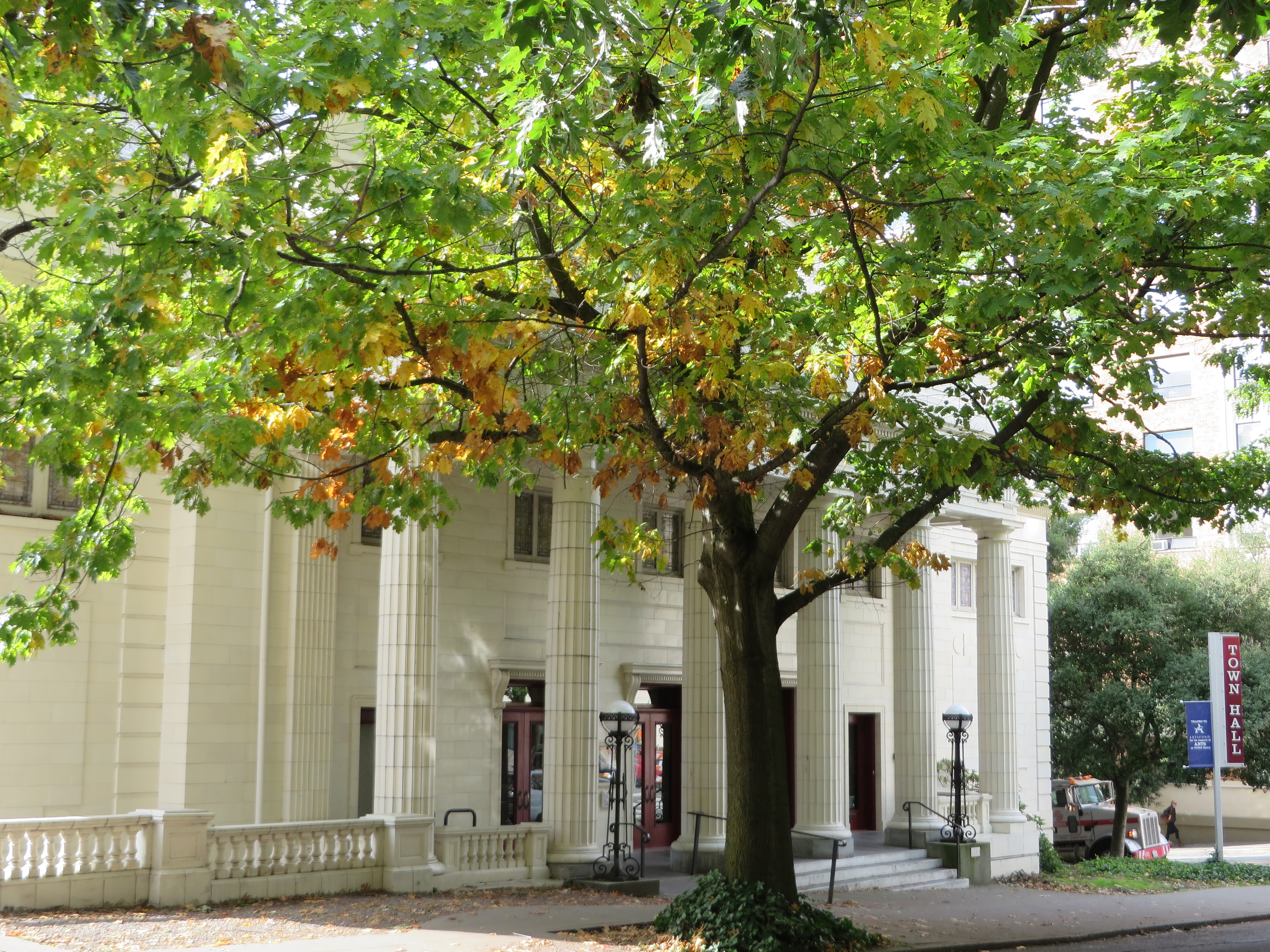
The building itself is gorgeous. It’s a Romanesque revival-style (former) church built nearly a century ago in what was then Seattle’s first suburb but now feels more like downtown. In the late 90s it was turned into a cultural center for music, readings, cultural discourse, etc. Outside it is an expanse of white with huge columns. Inside it’s all arched auditorium, groovy old light fixtures, and open space. (My only beef with it is that it has old wooden church pews and while that was not a problem at an hour-long author event, the nearly three hour medieval music concert awhile ago felt like it lasted six. But the pews do look good!) Town Hall is one of those places I admire when I walk past but completely forget. I’m often discovering two days after the fact that some author or speaker was in the house. When I do managed to go inside, I’m inevitably annoyed with myself for having been away so long.


Town Hall, Seattle

Town Hall, Seattle

Perhaps it’s not surprising that I like being inside of this space. When I travel, I love to find an old church or cathedral and sit on a pew for a while and look up at the arches and think my thoughts while other tourists mill about and the more penitent pray. And though there’s no preaching in this structure, it still has that churchy feel.


I grew up with a firm belief in a Christian God, though because my father was Catholic and my mother was a Protestant who was prone to sometimes follow the suggestions of friends and neighbors about what Protestant church was best, my church attendance was a smorgasbord of liturgies. I had no idea which one was “right”, (though a few were convinced that all the others were wrong), but I found the ritual in each fascinating, I loved, particularly, sitting in the oldest churches in my hometown imagining the generations of people who had sat there before me.  One of my favorite periods was when we went to the century-old Presbyterian church with the gothic arches and Tiffany windows. I often left these various church services with a simultaneous sense of wonder and envy that the congregants in each church seemed to feel that they belonged there. On a rare occasion, I’d feel a little fresher.


If I’m honest, I was bored a lot when the ritual stopped and the preaching started. I’m not the best listener if the topic doesn’t interest me, and I’m a particularly bad listener if someone is trying to boss me up, which seemed to be a recurring theme in many of the churches I went to during my formative years. The ones I loved most were heavy on ceremony and the ones I liked least were those obsessed with the End Times.


The only time I ever felt the sort of belonging that I imagined others felt, was when in my thirties I was on a quest in Chicago to find the church where Madeleine L’Engle–my first contemporary literary idol–had gotten married. I was in a stalled relationship and was being pushed from all sides to make a decision about whether it needed to be totaled or have the engine rebuilt, and I suspected that if I was in the church where L’Engle had married the man that she would write about so lovingly in her Crosswicks trilogy, I could figure out my future. This really had nothing to do with God in that if L’Engle had gotten married in Lincoln Park, I probably would have headed there and sat on a park bench for an hour with a squirrel while I tried to come to some conclusions about where my life was headed.


Though I went into that church, St. Chrysostoms, hoping to walk around anonymously in the quiet, there happened to be an all-day service in progress for Good Friday, which entailed readings from the clergy and long periods of silence for reflection. I sat down to be polite and tuned the readings out, but at some point realized that while there were the expected passages from the Bible being covered, there were also gorgeous passages being read from both classic and contemporary literature.  And while the passages addressed the obvious issues of sin and redemption, it was a fresh way to tell an old story and it hooked me. My synapses started firing. Suddenly I was not just looking at the architecture and wondering exactly where Madeleine L’Engle and her husband had stood or who was present for their wedding or if they used traditional vows. In fact, I quit trying to channel her at all and instead just sat in the silence that followed each reading as the words from the novels and poems reverberated inside my head. A denomination that recognized and held up secular writing as examples of beauty and testament to the human struggle seemed infinitely more holy than some of the repetitive and occasionally mean-spirited words of a man in a robe or cheap suit or blue jeans and blazer, preaching whatever his particular brand of gospel was. Who knew this was possible?


So Friday before last, Hudge and I made our way into Town Hall to hear Margaret Atwood talk about her latest book from a series I never read. Somewhere between my twenties and my forties, I’d kind of lost my fascination with her books. I’d veered away from fiction and into nonfiction waters, and her regular recent fiction about possible outcomes for our overcrowded, environmentally stressed planet didn’t sound very inviting. Particularly because while I was living in a cornfield in Indiana it seemed a very far off future, but here in Seattle it seems like maybe we’ll have to start the moon colonies sometime next Tuesday. (There are seriously too many people here.)


Now? I can’t believe I considered not going (to the reading, not the moon colony). The woman who introduced Atwood mentioned how important The Handmaid’s Tale was to her, how it changed her life, and I looked around at this former sanctuary full of women and men of all ages and races nodding their heads, and I was transported back to the late 1980s when I first held the book in my hands and realized feminist wasn’t a dirty word, when I realized that a few of those churches I’d found myself in as a child had been selling fear instead of comfort and could have been rough drafts of the theocracy that wreaked havoc in the lives of the women in Atwood’s novel. Or when I realized that words could be powerful.


Margaret Atwood herself came out, clutching her purse to her side, as if, perhaps, one of us might leap up on stage and steal it.  She never did set it down, though she seemed to instantly warm to us. She had this look of amusement on her face, like it was fascinating that anyone would have bothered to come hear her. When I counted up how long it had been since I last saw her and realized it was twenty years, I was shocked to see how unchanged she seemed to be.


Everything out of her mouth was either hilarious or wise, or both. She reminded me of my favorite sorts of college professors—that is, I wanted to write down everything she said in my little notebook but I couldn’t write quickly enough. I can’t remember specific nuggets of brilliance or inspiration to report here, but I do know she managed to make her responses to tired questions sound fresh and thoughtful.


At one point, a young woman asked if a story she’d heard about Atwood’s time at Harvard when “girls” weren’t allowed to use one of the libraries was true. Atwood repeated the question in an overloud, comedic way, making her voice reverberate throughout the auditorium. She talked briefly about how, yes, it was true, and that the work she wanted to read there was modern poetry, but because she was unable to scan those shelves, she went instead to a different library not afraid of admitting women. There she found a bounty of Canadian literature, the implication being that it shaped her writing in significant ways. She had done what women had been doing for centuries: she found inspiration where she was able and discovered something she might have otherwise missed. The young woman commented on how calm Atwood seemed about this. “How are you not angry?” she asked.


Atwood spoke in the same, comedic, loud voice, “Because I am ooooold.”


There was something striking about seeing this young woman, full of righteous indignation, at roughly the age I was when I first read The Handmaid’s Tale, Atwood, full of the wisdom and experience of her seventy-three years, and me, pig in the middle.  When I saw her at 25, I wanted to BE her, but all of these years later, I am content to be myself, even if I’m not famous, haven’t won any literary awards, and don’t have a Wikipedia entry for myself. Though I admit she’s the kind of older woman I’d like to grow to be.


I’m still not satisfied with this post. My threads aren’t pulling together as tightly as I want them to.  Other than the architecture, I’m not sure why hearing Atwood at Town Hall in Seattle reminded me of the churches of my youth or my first realization that I was more comfortable in spiritual practices that ask questions instead of those that give rigid answers. All I know for sure is that when Hudge and I got caught up in the crowd as it exited the building, it was like the end of a good church service. I felt electrified and blessed.


First Day of School (and I Feel Fine)

Standard
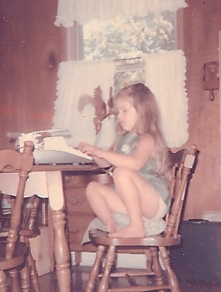
Beth writes.

Beth writes.

Because it’s nice out, I decide to go to Z’s campus midday, write in the library, and meet him after work. I have a couple of errands to run nearby, so I load up my bag with my computer, a pad of paper, five pens I won’t use, and the promise that if I don’t stop at Cupcake Royale, I’ll let myself buy something (another pen or notebook) in the campus bookstore before I get to work. I run my errands, wave at Z when I pass his office window, and make my way past the grassy expanse where a delightful array of neighborhood dogs races around, happy to be dogs outside with other dogs. This is perhaps—with the exception of Puget Sound or Lake Washington—the happiest spot in all of Seattle to me, and whenever I see well-loved and well-behaved dogs frolicking here, I pray that campus security will continue to turn a blind eye to the flagrant off-leash rule breaking because it’s good for my soul.

The campus is busier than it has been all summer, and as I zip into the bookstore and see the line, I remember why: it’s the first day of classes. Of course. I won’t be buying any unnecessary writing equipment today because the queue for textbooks snakes around the store. When I go outside, it finally registers that these are students making the campus more lively than it has been for months.

And then it hits me: this is the first fall in eighteen years that I haven’t had my own classes to teach.

Z’s campus has never been mine. My teaching was in Indiana in my hometown. Though in my youth, I’d probably had fantasies about teaching at some tree-covered east coast college, as an adult, I never really imagined teaching anywhere else. I loved working in a place where I knew and understood the community as well as I knew myself. I loved teaching the children of people I’d gone to high school with. I loved walking across campus or running to that bookstore or library and saying hello to ten different people I’d known for years. It was my home.

But I wasn’t counting on Z or how he is my real home even if his GPS coordinates and the coordinates of my hometown are two thousand, three hundred and seventeen miles apart.

After we got married, I taught courses online for the same school, returning multiple times a semester for work obligations, and lived with a foot in Indiana and a foot in Seattle. It was a weird existence. When people would ask me where I lived, I had a hard time answering. In retrospect, I realize I’ve always been the sort of person who pulls a Band-Aid off a millimeter at a time instead of in a single, painful rip, and this move to Seattle has been no different. That is, until May when I resigned and began this new stage of my life in earnest.

Hello. My name is Beth. I live in Seattle.


Z and I decided that if ever there were a year to discover if I liked the life of a full-time writer, this was the one. I’ve got multiple degrees assuring the world (and myself) that I am one, I’ve been writing since before I could string multiple words together, and this will be my first opportunity not to distract myself with the writing of students in lieu of doing and promoting my own.

So here we are.

My name is Beth. I live in Seattle. I am a writer. I don’t care where you put your commas.


Still, it is very strange to be walking across this campus, looking at these 19 year olds and knowing that there are no 19 year olds anywhere in the world that I am currently responsible for educating. I can’t quite name the feeling. It’s a mélange of excitement and contentment, with just a few drops of wistfulness. Two drops. Maybe three drops. I suspect one of those drops is really just wistfulness for feeling as if I belong somewhere.

I set up shop in the library at a table that looks out at Mt. Rainier, when it can be bothered to show itself. Today is one of those days. I write for three hours, looking up at it periodically and stretching. Though I want to wander around the stacks and find books to lose myself in, it feels like the mountain is looking at me sternly and telling me to sit where I am and do my work. So I do. That thing has lava in its darkest recesses. Who am I to argue?

At six, I meet Z outside of his classroom, and we walk to the dog lawn, where I wait for him while he runs to his office to drop off his books and papers. There is a tiny ribbon of envy I feel unfurl when a student greets him by name or I picture him in his office being greeted by colleagues or grousing with them about some overlord who is causing them grief. I’m a lone wolf now and unless I want to start randomly complaining about the publishing industry to strangers hammering out novels in coffeehouses across the city, I’ll have to save my work angst for emails to writer friends.

The sun is shining. The tails of twelve dogs are wagging wildly. Z walks towards me, and we head off toward our apartment, where I have notebooks to fill and not a single paper to grade.

Last of the Summer Whine

Standard

As Z headed off to his meeting this morning, we were both grumbly about it. We are, perhaps, an abnormal couple in that we like to be together a lot. This time of year when we’ve spent the summer not teaching and therefore in each other’s space, instead of being relieved that it’s time for him to head back to the classroom for the Fall quarter, I’m a little forlorn at the thought that the relaxi days of summer are over. (And because he’s on a quarter system, summer lasts longer for us than it does for other people.) Today, in the little Poulsbo cottage, is the first that I’ve been alone for an extended period of time. It feels a little weird to wave goodbye as he backs out of our rainy borrowed drive-way in our giant rented car and heads toward what will likely be a tedious meeting. Were we back in Seattle maybe I’d fall into familiar patterns of distraction and busyness and not notice his absence so much, but here I am in this cottage that isn’t mine, looking at a view that isn’t mine, trying to get comfortable on uncomfortable furniture that isn’t mine, and it just feels odd to be without him.

For a while, I write and try not to scratch mosquito bites.  Then I answer a few personal emails. Read a book. Stare out the window and watch the boats in the harbor, most of them still moored because of the wind and rain. I write some more.  The clock ticks towards lunchtime, and I realize I can either eat the rest of a bag of really bad kettle chips and call that a meal, or I can face the confines of the coffin shower, make myself presentable, and take myself out to lunch. I opt for the latter, less for lunch and more because I know I can spend the afternoon doing what I never do anymore: shop like a girl.

Z would laugh at this and point out that we do plenty of shopping for things he has no interest in and much of our early non-courtship revolved around shopping expeditions. But it’s a different kind of shopping. The pace and the feel is different when you add a straight man to your shopping mix. Since I’ve gotten married, I have rarely spent more than 90 seconds picking out nail polish, whereas before, I’d do some serious comparison shopping for a half an hour. Nor have I satisfactorily searched for perfect new underpants or costume jewelry at Target. We’re more mission oriented now that we’re a couple: we’ve got a list and goals. And coupons. He thinks because I walk through the square of carpet that contains purses and sunglasses that I’m “shopping” but in my former, single life, that first pass-through would be more akin to what a bird of prey does on a first, cursory swoop before deciding which woodland creatures are on the menu, before circling again and again, closer and closer until a selection is scooped up in its talons.

As I walk down the hill, I plan my afternoon. I’ll have lunch, stop by the bookstore, go to the comfortable-but-expensive shoe shop, and then explore all the shops I typically turn away from when Z is with me: the kitchen shop, the two art galleries, the jewelry store, the multiple gift shops that seem to specialize in small metal birds and serving platters with French words scrawled across the surfaces. These are the shops that Z is least interested in, in part because they are heavily perfumed and make him wheeze and also because he knows we’re out of surfaces in our little apartment on which to set small metal birds and French platters. I’ll start to go in one, he’ll say, “I’m going to stay out here. Shop as long as you like,” but then because he isn’t going in with me, it no longer seems like fun.

For lunch, I choose an Italian place, and I feel overly pleased when I tell the host  with no sheepishness or apology that I need a table for myself and my book. He let’s me pick my own spot, so I head for a back corner from which I can either read in peace or watch other people. There isn’t a lot going on here in terms of people watching, so I crack my book and start reading. The waiter comes over and says, “Iced tea, right?” I have no idea if he’s feeling (wrongly) psychic or if I have a Poulsbo doppelgänger. I hate tea, but instead of correcting his assumption that he knows me or has intuited my drink choice, I say instead that I’ll just stick with water for today, as if he’d normally be right but I’m trying something new.

The food comes. I eat and read and feel weirdly content to be in a restaurant on my own. I use my best table manners and even order a salad, so no one can fault me should they look my way. Not that I’m expecting them to, but I find that when I eat alone I’m inclined to be better behaved than I normally am so no one can say, “It’s easy to see why that one over there is by herself.” I blame this quirk of mine on public school cafeterias and for having been single until I was past my prime.

Before I leave the restaurant, the rain stops at the exact moment my cousin calls. We average about one call per every twenty attempts, so I don’t mind derailing my shopping plans in lieu of sitting on a bench by the harbor and talking to her. The sun has come, and people are walking their babies and their dogs as I catch up on family matters. When I hang up almost an hour later, I walk to the bookstore, stroll around, and every book I pick up reminds me I have shelves of unread books back at home. I don’t really need a new book. I walk across the street to the shoe shop, fondle a few pairs, look at the price tags, and leave. I’ve got enough shoes. I stand outside and look up and down the street to figure out where I want to go next. I put my hand on the door of a gift shop and then think, What could this store possibly have that I need? I turn on my heel and head to Sluy’s bakery, where I buy treats for later and a Krispie just for me and some sparrows.

We eat it, the ten of us, and I feel wildly content with my day. I head back to the cottage, write some more and wait for Z.

Maybe it’s okay that summer is over. Maybe when I get back to Seattle, I’ll be ready for solitary days at my desk, stopping periodically to watch the birds perched on the tree outside my window.

Getting Away Again

Standard

IMG_0201

The thing about living in a city for me is that when I’ve been away from it for a while and then come back, I almost immediately want to escape it. In case it sounds otherwise, I am not unhappy in Seattle. Sure, I miss my beloved rolling hills of east central Indiana and the lowing of cows and lack of EPCOT style shopping where I’m constantly navigating people from different cultures who have different ideas than mine about what a respectable amount of distance is to stand when you are thumping cantaloupe, but there is a lot here to love too. Eventually, I’ll cover some of my favorite things about living in Seattle, but for now, what you need to know is this: after a few weeks in Zimbabwe and the certain knowledge that being “home” would soothe my traveler’s brain, I am crazy with the desire to escape it again.

There are a variety of possible reasons for this. For instance, I hate unpacking, so in many ways, it is easier to shuffle things around in the suitcase, zip it back up, and zoom off to some other place. For another, when you are home you can’t escape your obligations or your to-do list, and my to-do list is long and I am not what you would call a high octane task-completer. And finally, it is easier to forget about how uncomfortable it is to adjust back into my old life after being absent from it if I make myself absent some more.

One of my oldest friends hates to leave her house. Jane is not, to the best of my knowledge, agoraphobic, but she has a peaceful sort of haven of a house and she likes being there. Other places do not pull her the way they do me. For three years now I’ve been trying to lure her out to my neck of the woods for a visit and she always politely ignores my invitations as if I never spoke. The night before one of my trips when I send her emails in all caps about how much I do not want to go on this adventure and moan about how much I just want to stay home, she is gracious enough not to remind me that this is exactly what she’s been trying to tell me for years: home is where my heart should be.

I consider her house and her life to be the height of contentment, but that is just not me. I am never one place without longing to be another. Like a good Gen Xer, I blame this on being a child of divorce, but the truth is it’s nature not nurture. For years I’ve carried various small journals with me everywhere I go and in the front of every new one, I write in bold letters: “As you walk and eat and travel, be where you are. Otherwise you will miss most of your life.” (It’s a quote I read once that was attributed to Buddha, but I’ve never done the research to find out if that’s an accurate citation; I just know it’s true that if I could achieve this, I’d be more content.) It doesn’t matter if I read it before each trip or once a day. I could tattoo it on the backside of my right hand and I’d be no better at living up to that ideal. I seem to have been born to be mildly discontent with geographical stasis. (Though I’m happy to report I have stasis skills in the form of sitting still in front of electronic screens developed to an art form.)

On the second day after our return from Zimbabwe, in between scratching and calamine applications, I started poking around online and asking Z what I believed were surreptitious questions about how soon his Canadian visa would be ready to use. (Answer: not ready enough to make the one night cruise I’d hoped for up to Vancouver.) I didn’t want him to know that I was already jonesing to disappear for a few days when we’d only just gotten back from a pretty amazing trip. Plus, this is the first time in 18 years when I haven’t had my own personal paycheck rolling in to help supplement our trips, and though Z does not make me feel this way, I can tell already I’m going to feel less entitled to say, “I’ve got to get out of this place” right this minute while nothing is being direct deposited into our travel account.  This is, perhaps, the single drawback to my year’s sabbatical away from teaching and toward writing.

I needn’t have worried though because Z’s brain was pretty much in the exact same place as mine. He had a work meeting on the Kitsap Peninsula on Tuesday, and he’d already been thinking about the ferry commute during rush hour and how much easier and more fun it would be to go early and stay a couple of nights.

One of the things I love about Seattle is the wealth of other places you can reach from here in under an hour. In the Midwest, where things are stretched out, an hour is going to get you to some place very similar to where you started. Here, you can go from the city to a little island or mountain getaway in hardly any time at all, with the added bonus that a lot of the getaways here involve some close proximity to water, a favorite of both of ours, which I attribute to the fact that we both grew up in places without a coast or even a navigable river.

His meeting was in Poulsbo, a little town of around 9,000 that was founded by Norwegians and is very proud of its Viking heritage. It sits on Liberty Bay, has an adorable historic downtown that looks a little Vikingy, a grocery where there is a wall of licorice and other Scandinavian delicacies, a variety of gift shops including two bookstores, a variety of restaurants, and a Norwegian bakery, Sluy’s, that is a personal favorite of mine. (Their “Krunchie” is beyond delicious, though apparently most of their customers are proponents of the cream-filled Viking Cup.) So it wasn’t hard to choose Poulsbo as our base, and when we found a little yellow cottage with views of the harbor on Airbnb.com for a price in our range, we started mentally repacking our bags.

We aren’t what you would call good bed and breakfast people. (The one exception to this for me would be in Ireland; I prefer a B & B in Ireland to any hotel.) In America , we like the anonymity of a hotel, though in small towns, those are usually by a major highway and lack quaintness and have horrible views, or if they have views, we can’t afford them.  So our real favorites are small cottages with a view, wherein we might meet the owners who live elsewhere and have a pleasant conversation with them, but we don’t have to talk to strangers over bran muffins or worry if we’re too noisy.

Our little yellow Poulsbo cottage rental is not a disappointment on this front. The owners live in the big house and have the cottage out back for parental visits, and then rent it out when the parents aren’t in town. The owner lets us in and confesses that she rarely locks the door but we should feel free to; Poulsbo is that small town, where you don’t worry about vandals, apparently. Maybe it’s a Viking thing; who in their right mind would mess with the people who conquered big hunks of Western Europe?

We chat with her and as soon as she is gone, we spread out. We’re like Thing 1 and Thing 2 in The Cat in the Hat when we arrive in a new place. Within two minutes, our suitcase has unzipped itself and what seems like all of our worldly belongings are now strewn about the place. Normally, I try to take “before” photos to show people how nice our digs are before we unleash our chaos, but because it is raining and we are damp and chilly and looking for socks and sweatshirts since we packed thinking it was still summer, there is no photographic evidence that this was initially a cozy, tidy space.

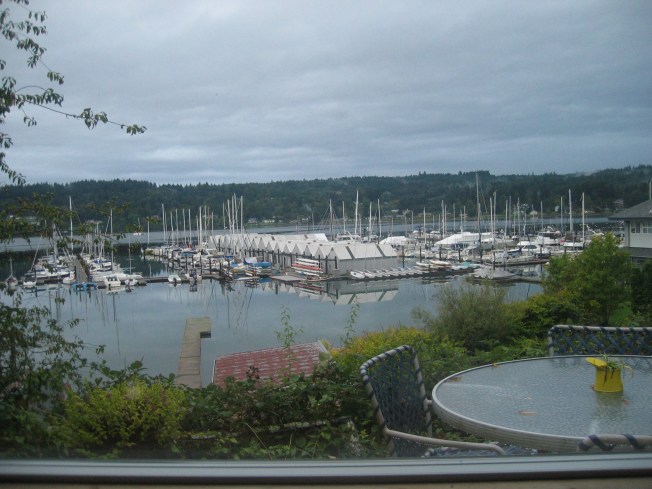
The focal point is the huge picture window above the kitchen table that can be seen from the living room. It looks out on the cottage’s deck, dock and onto the marina at Liberty Bay. It’s a misty day, so the shore on the other side is dotted with patches of fog.

This is exactly what I wanted. I can’t do anything in this space but read, write, and stare, because all the projects—like putting our wedding photos from 2009 into an album and stitching up one of Z’s threadbare shirts or weeding books—are back in Seattle. We check our email, hope the rain will abate, and the minute it looks like it’s clearing up, we walk down the hill to the historic downtown.

This is a place we bring visitors on day trips, so we aren’t unfamiliar with the offering, but because we’ve paid for a place to put our heads for two nights it feels a little more like we belong here for the moment. The historic Luterhan church on the hill chimes and even though there are Volvos zipping past us and a lot of retired couples in Eddie Bauer rain gear milling around, it’s not hard to picture how the place looked a century ago. The city website mentions that people didn’t give up Norwegian for English until after the first world war, and it is easy to believe. There might be urban dwellers in our midst, but it really does feel like a small, self-contained village.

Our destination is the bakery, where we make our selections and then sit on a bench out front and watch sparrows gather around, hoping for crumbs. I’m not normally a huge bird watcher and often have to pretend to be more interested than I am when talking to people with bird books and binoculars, but these are very young, hopeful sparrows, that almost look like baby chicks, and I want to scoop one of them up and take it home with me. I feel really selfish for not offering them half of my Krispy, but they can have the crumbs of one on almost any given day, whereas I am only in Poulsbo a few times a year. And also, I’m notoriously selfish with baked goods.

Z and I saunter around the town, peering into the windows of shops that are closed because it’s Monday, which we’d probably pass over if they were open, but because we aren’t granted entry they seem more intriguing. We look for a likely supper candidate from the restaurants, and walk down to the water, at which point it starts raining hard. Since I’ve been whining about how much I miss damp weather for three African weeks, I spend several minutes attempting to feign delight, but it becomes apparent we aren’t going to outlast this downpour and the flip flops I’m wearing seem like a really dumb choice for a cold late September rain in the Pacific Northwest. We slosh through puddles, heads hung low, until we get back to the cottage. We’ll venture out later for supper at a pub, and hopefully by then the rain will be back to a drizzle.

Z makes the unfortunate discovery that the rain coat we bought him from LL Bean when we were in Maine two years ago apparently had a life expectancy of only 18 months. The white lining has flecked all over his neck and shirt and he’s mostly wet. I make a similar unfortunate discovery that my rain coat, while fully functioning, has extra wide pocket openings and pretty much all the rain of Poulsbo has pooled inside them, drenching my Kleenex and wallet. We’re cold and wet and wish we’d brought a Duraflame log to put in the stove, which would take the chill off.

Later we have supper at a place that boasts the best breakfast in Poulsbo. We’re the only people there and the English guy who seems to be running it zeros in on Z’s accent almost immediately and asks where he is from. Z tells him, tells him we’ve just returned from Zimbabwe, and the man explains that for several years he lived in South Africa. We chat briefly and I’m torn between wanting to know what makes people move from one place in the world to another and wanting to have a quiet dinner with Z. I opt for the latter. Sometimes the stories I make up for people are more interesting than the reality anyhow. When we leave, it’s pouring with rain again. The kind of rain I always insist never happens out here. Instead of stopping for the ice cream we’d been planning, we splash back up the hill to the cottage as quickly as we can.

The cottage itself is not as cozy and glorious as I painted it earlier in the day either. We’re both allergic to something, and so we sneeze and wheeze. We want the windows open to help curtail this, but it’s cold out, so I spend the evening wrapped in a blanket most of the time and Z is having to stretch two pairs of socks into three days of sock wearing. There is no TV, which is fine, but when it’s dark and rainy, I like to warm myself by the glow of one, even if I’m not paying attention to it. We will later discover that the bed is smaller and harder than ours, and the shower is the size of a vertical coffin.  Then I remind myself of the nearly identical shower set up on the Tambonette only on the houseboat water was cold and was from the lake. Suddenly I’m aware of things like how awesome the water pressure and shower head are instead. By the time we will leave, the only real beef we’ll have with the place is that both the bedroom and bathroom doorknobs have fallen off trapping one of us at various times during the stay and the other had to come to the rescue.

I still have no idea why I can’t be content at home after three weeks away from it, why I spend too much of my life longing for whatever place I’m not in, but as I sit next to Z at the big table that belongs to us for two nights, both of us writing, and the boats in Liberty Bay floating in and out of our line of sight, I can’t deny I’m content right this minute.

Things I Forget About Seattle When I’m Gone

Standard
IMG_1487

When I’ve been away from our apartment, I sometimes long for its coziness and I may even miss the hum of the city if I’ve been too long listening to crickets (or roosters).  But without a doubt, there are a host of things that I forget about the place that are a shock to the system when I get back.

  • Seattle possibly has too many people in it.
  • There are too many people having accidents and then being delivered by shrieking ambulance to one of the three major hospitals in our neighborhood. (Be careful out there, Seattle Citizens. Z and I are watching Orphan Black and your emergencies sometimes interfere with our TV viewing.)
  • Seattle is full of hills and we live ¾ up one of the steepest ones. Despite the fact that I know where the ascent is easiest, it’s still a workout.
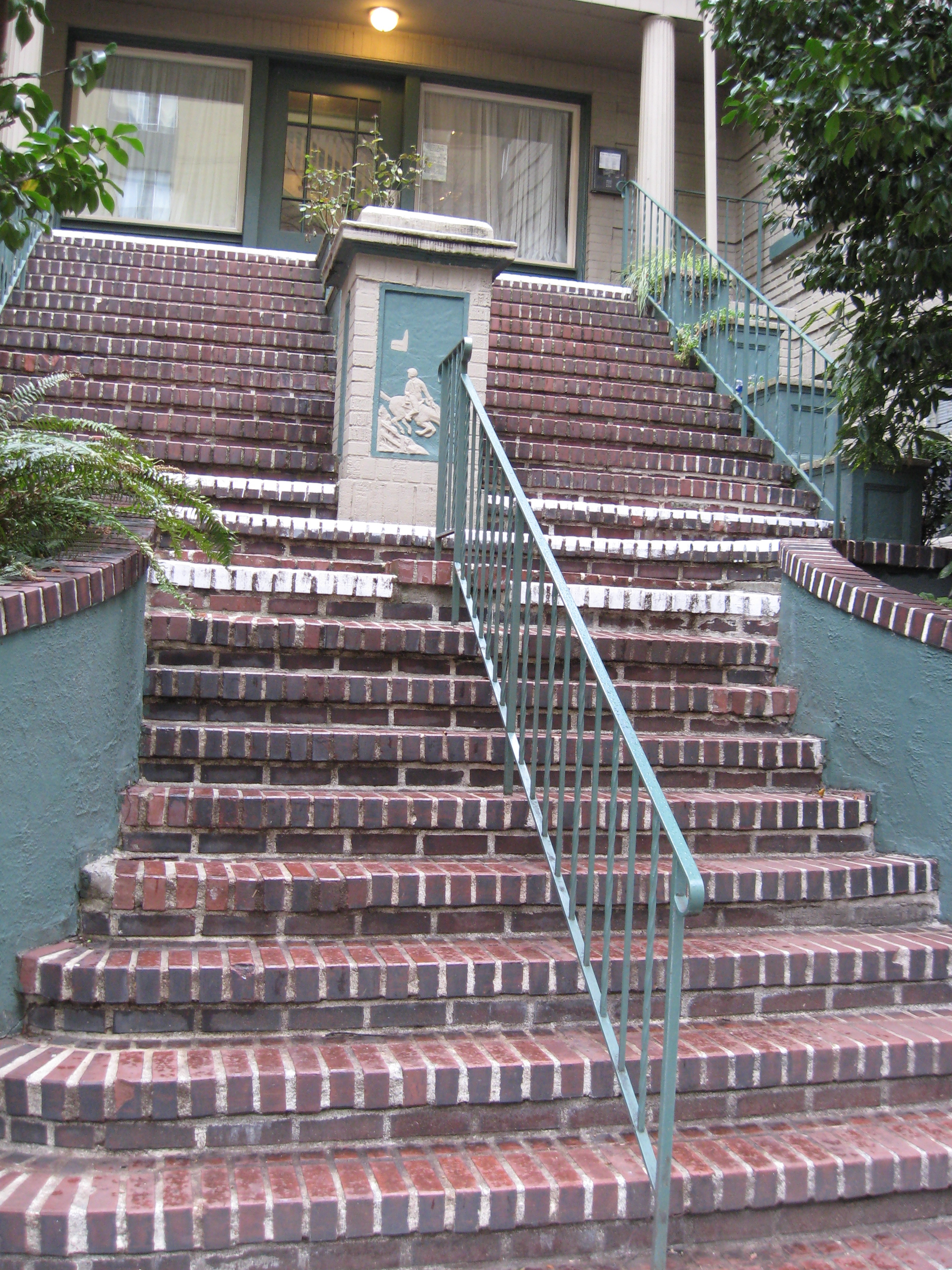
  • There are 23 steps outside our apartment building. (It feels like 53 when we’re carrying groceries.)
  • 0ur building manager is lovely but sometimes promises things and doesn’t deliver them right away. In this case, a much coveted dishwasher. Coupled with this realization, is the harsh realization that Eunice did not travel back from Zimbabwe with us, and I am the house dishwasher since Z is the house cook.
  • The M 303 bus idles outside our living room window five hours a day, starting at 6 a.m. depositing soot onto our windowsills and on onto our westernmost belongings.
  • The buzzer for our apartment building is outside our bedroom window and our building mates have a lot of noisy, late night friends, pushing all the buttons except the right ones. I try to comfort myself with the knowledge that at least Amanda, the possible prostitute and/or drug dealer, no longer lives here. The buzzer was humming back in those days.
  • We don’t have a car in the city unless we rent one, so those groceries we need must be toted up the hill (or down the hill, depending on which grocery we use).
  • We left the apartment in kind of mess.  We always do this. Departure times are a big surprise every time, and I am a time optimist.
  • Z will be going off to teach in a few short days and it’s going to be lonesome in the apartment, just me and my computer and the screaming blank page.

And then there is the weather.

My first trip to the Pacific Northwest was to a writing conference in Vancouver, B.C., in 2005. While there, I took a tour of the city and ended up on the tour bus by myself with a very chatty U.S. ex pat guide. He was friendly and answered my questions about the city and his choice to immigrate. But then I made the critical error of asking if the grey, rainy days ever got to him. The temperature in the bus dropped five degrees. He launched into a tirade about other people’s views of the climate and how wrong they were. I backtracked quickly and he warmed again, but I felt like I’d learned the first lesson of Pacific Northwest Fight Club: don’t talk about the weather.

It’s how people who live here and plan to stick around recognize tourists and fair-weather residents who stay only long enough to take in the geography and bulk up their bank accounts before moving to sunnier climes.

The truth is, the rain here isn’t that bad. We laugh when we see depictions of Seattle, like in The Killing, in which windshield wipers are cranked up to high and everyone is drenched. It’s usually more of a delicate mist, and truth be told, I’ll be happy to feel it on my so-recently-parched skin. So I’ve done my best to abide by this code of weather silence. I might complain to Z if it’s a particularly hard, cold rain, but that’s it. Were I in Indiana, I’d be Goldilocks-ing it up: it’s too hot, too cold, too dry, too damp, not enough of a freeze or so much snow I’m thinking of moving to Florida. This is my native language.. It’s how Hoosiers bond with neighbors and strangers at the Meijer check-out. But not in Seattle. There are only three times you are allowed to talk about weather here as far as I can tell. The first is if it snows in the city. The whole place shuts down, but even so, you are amused by it—it is not cause for stocking up on bread and milk and blizzard preparation mode. It’s a two-hour anomaly. The second is if there is thunder. A single thunder clap is conversation fodder for days.

And then there is the third. Unlike me and the things I forget when they are out of my line of sight, most people in Seattle never forget what once was and will be again: winter. Yesterday, the first day I’ve felt human since we got back, I climbed the hill to the Corner Café for a solitary lunch with my book. I kept my sunglasses on while I read because the sun was blinding me when it hit the pages. The server, who is always upbeat and pleasant, let out a loud sigh when she delivered my sandwich and said, looking outside, “Summer is over. It’s depressing. Winter will be here before you know it.” She sounded like a spokesperson for the House of Stark. I peered outside to see if there’d been a big shift in weather since I’d arrived 15 minutes before. It was 84 degrees and the sky was completely cloudless. I raised my glasses for a closer look and then looked back at her and asked if the weather had been bad while Z and I had been away. She wrinkled up her face, trying to remember. “No. I think it sprinkled a little last Monday.”

There is, I think, a one-week window here wherein you are allowed to complain about future weather even though the minute the rain starts, you will be so busy pretending it doesn’t exist that you won’t even carry an umbrella.

Return with an Itch

Standard

I won’t pretend I knew from girlhood that I was going to marry a man with an accent, but I will admit when I would hear about some daughter of a friend of a friend of my mother’s who had married someone from Scotland or Italy, I’d have a coal of envy inside of me that would ignite. When other young women were thinking about partners who would be good providers or who would support their careers or who would change the world, I was thinking more along the lines of: is he smart, can he make me laugh, and does his voice make my knees weak. I hit the jackpot with Z in all those departments.

His students who don’t know he is from Zimbabwe can never guess properly. They know it isn’t exactly an English accent, but they guess a variety of possible nationalities for him, some of which make sense (Australian) and others that make us scratch our heads (Belgian). Back when we were just friends, he knew I liked his accent, so if he was leaving for Christmas break or summer break, he would leave a message on my work voice mail. My favorite was, “I just called to say ‘banana.’” I’d save it for weeks. Play it for my friends. Sigh over it until he got back, and then hit delete.

Now, it is just Z’s voice. Friends will mention his accent and I think, “Oh, yeah. I do like that.” I barely even think of it unless he is razzing me about how my Midwestern pronunciations of “pin” and “pen” are identical. Then I have to remind him that he can’t say my Aunt Barb’s name without sounding like a pirate. (He tries and tries to stuff that “r” into her name, but inevitably it sounds like either “Aunt Bob” or “Aunt B’arrrrrrrb.” Kind of how Hagrid in Harry Potter speaks.)

But the minute we land in America, I realize that for three weeks I’ve been listening to softer versions of my native tongue from his whole family and set of friends. It’s jarring to hear Americans barking things at me over loudspeakers and shouting into their phones like they are walky-talkies. (Why do people DO that? Hold it to your ear—YOUR EAR—people We don’t need to hear the whole conversation.) My paisanos  suddenly sound so loud, so harsh.

What’s worse, as we stand in the very slow immigration line for folks without a U.S. passport, like Z, I realize that accent of his has a price and it costs a lot of my own  itchy, itchy time. This line is going nowhere fast. If anyone is watching me on a closed-circuit camera, they probably think I’m smuggling something illegal in my capri pants because I’m hopping from foot to foot, trying to secretly scratch my bites and it is impossible for me to stand still.  Plus, I’m pretty sure if anyone really got a load of the nickle-sized red welts on my legs they’d assume I was bringing some plaguey kind of horribleness into the U.S. and put me in quarantine immediately.

The  Americans get to go ahead of all the rest of us, and I want to cry out, “But I AM an American. I’m just standing here in this slow line because Z has an unfortunate passport and I’m being supportive!!” All I can think about is the bucket of ice water I’m going to plunge these mosquito bites into when I get to our apartment. Z tries to distract me with fantasies about the day when we actually bother to get him a the green card so the two of us can hold hands and skip through the express “Welcome Home to America” line, but it doesn’t help. Instead, I look at the grumbly Americans who have nothing to complain about zipping through the line I should rightfully be in. I can’t help it; for a minute, I hate them. What have they got to grumble about?!

Z’s scholarly specialty is intercultural communication, so he’s generally aware of the things people are saying directly and indirectly before mere mortals like me have even noticed that communication is happening. Over the years, we’ve discussed at length his particular intercultural focus, the re-entry process for people who move back from their host culture to home and the phases they go through as they re-adjust to their old lives. But while we stand in the insufferable immigrant line, I can feel the dreaded fingers of re-entry grabbing me by the throat and it is no abstraction.  By the time we get to the immigration official, I’m starting to feel really annoyed with us for not applying for that card the day after we got married in 2009. In our defense, we were busy and also, I didn’t want to give anyone in my family who had any doubt about Z’s love for me the satisfaction of thinking he was only in it for better immigration status.

The immigration official looks at Z’s passport and at mine and then back at Z’s. Our last names are different, so we assure him that we are married, and what I want to hear him say is “Welcome home.” One of the delights of traveling abroad is that moment at passport control when one of your fellow citizens looks at you, acknowledges you as one of his or her own, and says, “Welcome home.” I’m not the world’s most patriotic person, but it’s one of those moments like casting a ballot in a general election that makes my chest puff up and tears threaten to drip from the corners of my eyes.

Instead, this official looks at Z , looks back down at his Zimbabwean passport—which needs a visa jammed into it so he can go basically anywhere on the planet that isn’t Zimbabwe—and with a thick, Eastern European accent the guy says, “If you are married, you really should apply for a green card. It’s so much better.”

You think?

Things I’m glad to have in America as we navigate the airport include lines that basically work in a linear fashion and are as efficient as they can be, running water in the restrooms, lights. Also, my cell phone works again and I can call my mother and tell her I have not been eaten by a crocodile, which she appreciates. It is four o’clock and no mosquitos are coming out here and when I go to bed I won’t need a mozzie net. Tonight, when we settle down in front of the TV as we try to regain some brain function, we’ll have more channels than French news in English to choose from. These are all good things.

Yet, as we pass a tiny fluffy dog in a quilted jacket and then later, an old man hollering into his cell phone while holding a giant walking stick with an eagle carved onto the top of it, I find myself missing Zimbabwe. I can’t even name what I’m missing, except the Americans around me seem ridiculous.  For three weeks I’ve been missing people like me and now I’m amongst my own kind, and they seem so big and loud and self-important and unaware that they are blocking walkways or being rude.  This is re-entry. It really isn’t them; it’s me. Re-entering your home culture is like putting your jeans on in the fall after you haven’t worn them all summer, and they constrict you in ways they didn’t before and the legs seem suddenly wider and more untrendy than you remember. For a moment, you suspect they aren’t even your jeans.

And that’s how I feel, as we stand on the escalators, re-emerging into our American lives. I’d feel better, I think briefly, if one of these smiling faces here belonged to my family. Our existence out here on the edge of North America feels tenuous at a time like this. Who here would know if we never got off the plane and returned to our lives? No one. A few friends who would be hard pressed to contact our families if we both die of my mosquito bites.  I have this urge to glare at people who are being welcomed by large families in particular.

Our friend Hudge, who is retired from the Army, comes and gets us, though while we wait for her, we get a little ratty with each other. We have been having fun and then suddenly nothing feels like fun. I’m annoyed with my highly sensitive body that can’t handle insect bites like a normal person, and Z has to be tired of my whining and snappishness. I’ve got my giant, swollen, bite-addled feet propped on the little strip of air conditioning that comes out of the floor. My leaking plastic bags of ice have dribbled a trail of water across the baggage claim area, and I don’t care. I move my legs from place to place, trying to find optimal ice cold air since my real ice has melted. My swollen ankles make me feel 15 years older than I am.

I am the lady with ankles that hang over her shoes now. Swell.

Mostly we sit in silence and wait and wish we’d just taken a cab home because we’d be half way to our building by now. I think things like, “I will never go anywhere without snow again.” I’m mad at myself for not having taken a fresh bottle of DEET with us to Zimbabwe because obviously being frugal and using three-year old DEET was ineffective.  Z does not look as miserable as I feel, and momentarily I feel annoyed at him for having less delicious blood than I do. He could be sharing this burden if only the insects of his homeland had found him as tasty as me. At some point, I turn into Woody Allen and start obsessing about whether I’ll need to see a doctor and what this physical over-reaction to bites must mean about my immune system and how if I scratch them and one gets infected from something on this filthy airport air conditioning strip, I’ll probably lose my feet, and then how will I get to the grocery since we don’t have a car in Seattle. Will my insurance pay for one of those electric scooters, and what kind of brakes do those scooters have? The hills in Seattle are so steep. It goes on and on these voices in my head. I look at Z and he’s just sitting there, stoically. If I were him, I’d probably go sit at a whole other table away from my miserable self. Forget the green card. The man deserves instant citizenship for putting up with me when I am tired and itchy.

Hudge pulls up and we toss our suitcases into the back of her SUV. She hands us plastic containers with hot food she’s just cooked for us because she knew we’d be hungry when we got off the plane, with the added bonus of chocolate covered macadamia nuts that she got on a recent trip to Hawaii. Briefly, I wonder where the gift we got her is and immediately realize I’m too tired to try to find it. She’ll get it later.

I sit up front and the heat from the engine blows directly onto my feet and makes them feel as if there are a million tiny insects inside ankles and legs, all carrying micro-knives that they are using to liberate themselves from my skin. We are almost instantly in a traffic jam, and I’m picturing how the pothole filled roads of Zimbabwe were never this crowded. Why aren’t all of these people walking instead of driving, thus freeing up more road space for hard luck cases like me?

The entire drive is a pityfest.

Hudge is talking animatedly about everything she’s done since we’ve been gone. We’ve been to Zimbabwe but she’s out adventured us by weathering two weeks of vacation with her parents, a trip to Hawaii, and doing a stint at Burning Man. She’s well-rested and upbeat and ready to talk, and I feel like a caveman right after a bison hunt. I want to be a good friend and concentrate on the details of her trips, I want to be able to tell her the details of mine, but instead, all I can eek out is “It was good. We saw over 40 elephants,” because it takes that much energy not to scream about the itching and about the stupid Seattle traffic that stands between me and my feet’s date with ice cold destiny. When Hudge misses the exit to our house, I think I’m going to burst into tears. We will never get home. These bites will never stop itching. I am a bad friend. A bad wife. A big whiner.

Finally, we pull up to our building, unload our goods, wave goodbye to her and say what I hope sounds like a sincere thanks because I do sincerely mean it, I just can’t sound sincere because I might be dying of terminal  mosquito bite. We knock our bags into half the walls of the hallway and I swear, like I always do, that next time I travel I will pack light. How stupid are Americans, thinking they need so much luggage? And also, why is Seattle warmer than Harare was? Is this city trying screw with me?

Z unlocks our apartment door and I strip off my clothes before he has it shut and locked. If we had neighbors at our end of the hall, they would have seen me starkers and I wouldn’t have cared. He looks at me like I’ve gone off my tree, but I know if I don’t get instantly into a cold shower and calm the crazy that is crawling up my feet, ankles and calves towards my brain, I will die. I’ve been through this before. It’s just exhaustion and moving my brain and body across time zones and cultures in a 24 hour span, and the pills I’ve taken to make the itching tolerable, and the intolerable itching. At this exact juncture I don’t like the city, I don’t like this tiny shower with the curtain that grabs me instead of Z-mas lovely big curtainless shower room, I don’t like our aloneness, or that we’ve missed tea with Skampy. I cry a little while the last traces of Zimbabwe wash off of me and swirl down our hundred year old Seattle drain.

When I emerge, slightly more sane, Z has three fans pointed at the sofa and a pan of water on the floor filled with ice cubes. He smiles at me like he loves me and I wonder if he’s suffering short-term memory loss. But this is how he is: he has patience and an accent and he’s taken me to one home and brought me back to another.

I might be itchy, but I know I’m lucky. So lucky.

A Case of Wooden Shoe Envy

Standard

3cdbd7e927878b161714d85cbb982246

Nothing has ever made me want to buy a pair of wooden shoes as much as Amsterdam Airport Schiphol. We hadn’t been there for five minutes of our five-hour layover between Harare and Seattle before I was wanting to fill my carry-on with clogs and tulip bulbs and blue Delft trivets.

I’ve never fallen in love with any airport and I’ve never fallen in love with a city or country based on an airport. Certainly, there are airports I prefer and there are airports I avoid (I’m looking at you, Dallas-Fort Worth) and airports I suffer through (specifically you two, O’Hare and JFK) if the destination is a good one. But if I have to get trapped at an airport because of a passport mix-up or bad weather, I think this is the one I choose.

Full disclosure, by the time we walked into the airport, I had taken itching medicine and relaxi medicine and a pain killers that no doctor would have prescribed for mosquito bites but which I felt entitled to use and grateful, yes, grateful, for the case of shingles I’d had earlier in the summer that made said pain killers available to me. Also, I’d been sitting for nearly ten hours with bags of ice on my swollen, bite-ridden feet, daring to scratch only when Z had drifted off, so chances are that any airport anywhere would have looked to me like that first happy scene inside Willy Wonka’s chocolate factory where all the furniture and flowers and whatnot are made of sugary goodness that you can bite right into.

Even so, Schiphol should be on the list of Top Ten Airports of All Time. Certainly I’m not the first person to figure it out, I just wish I would have known about it sooner. Before, what I knew about Amsterdam was basically Ann Frank, drugs, prostitution, and tulips. Now, I’d book EVERY flight through Amsterdam, including my layovers between Seattle and Indiana if I could.

The airport is bright and clean and easy to navigate. Second, it is one of the few airports that seems to have been designed with actual travelers in mind: in terms of giving them what they need, giving them what they want, and giving them reasons later to book a trip that ends and stays in the Netherlands.  I spent a portion of the last leg of the flight home doing calculations about how soon we could go back to Amsterdam. I have a variety of travel lists, including Places I Want to See Before I Die, Places I Never Want to See, Places I Have Nightmares about Being Forced to See, and Places I’d Loved to Go to if Someone Else Paid. Holland was always on that last list. Sure. Why not, but not with my own money.

But now? Amsterdam alone has definitely shifted to List A.

One of the reasons Z and I work together well as a traveling team is that we are similar in our methods. We both like to arrive at an airport early and to have a decent layover if we’re catching a connecting flight. Despite knowing we have five hours stretching in front of us, we also cannot relax until we know exactly where our departure gate is.

We headed to the gate after a requisite restroom break. (Even the restrooms were delightful with very civilized seat sanitizer available in every stall, so you can avoid the annoyance of trying to figure out exactly how to get those paper seat covers to work. Seriously, are you supposed to punch out that perforated hole or what? Those just never work for me with any satisfaction, plus I then feel guilty about the extra natural resource I just wasted.) Once we’d located the gate, we headed back to the shopping/restaurant area to walk our bodies back into some semblance of normal. My feet hurt, I wanted to take a cheese grater to my mosquito bites, but it was impossible to be as crabby I felt I was entitled to be in this amazing airport.

Yes, there was a McDonald’s, but also many delicious restaurants. We chose one and had an excellent breakfast that I can no longer remember, and when I tipped the server it short-circuited his little credit card machine because, as he said, “You are too generous with the tip.”

The airport boasts short stay hotels, where you can rent a room for no more than four hours for a quick sleep and a shower. My desire to stay at Hotel Yotel was intense, but we couldn’t justify it when there was so much there to investigate. For instance, a cafeteria with Disney World sized blue Delft tea cups that you sit in while you eat your morning Danish. Or, if those are too kitschy, you can sit at a sleek white bar with actual Delft-ware encased in glass in front of you. You can stop at a place called The Living Room, that was nothing but wingback chairs, faux fire place, and the sense that you should be sitting there reading a leather-bound book and smoking a pipe. If that gets too boring, you can go to the casino. (Z and I do not recommend this. No, we do not recommend this at all. It took longer to get our American dollars turned into Euro than it did for us to lose our Euro at the airport casino. And the slots there are the exact same ones as in America, and therefore, definitely not worth it. If we’d been losing at a slot with a Wooden Shoe Bonus, we might have felt it was worth it.)

We weren’t there to shop, but the shops we walked past made me want things I never knew I cared about. For instance, I somehow survived the whole of the 1980s without owning or even wanting to own a Swatch. I didn’t understand them then,  not as single watches and definitely not in the bunches you were supposed to wear them in down your arms. They were a little too bright, plastic, and trendy for my tastes, so I just curled my hi-gloss lip and stuck with my silver Timex back then. But now? In Amsterdam? I have never wanted a Swatch so badly in all my life. They looked so refreshing and fun. So completely delightful.

Z was able to pull me away, thankfully, because the truth is, I had not done the Euro to Dollar conversion that would have proven to me once again that I am just not a Swatch girl.

The airport has a library with books you can check out for the length of your stay in Holland. Also, a museum. (Like most museums, I spent more time in the tiny museum shop instead of the tiny museum.) The children’s play area made me wish I were still a kid, so elaborate and adorable was it. There was no end of places to get massages, aqua-sages, and mani-pedis. And also, the whole airport seemed to understand how tired we were, so there was an endless supply of interesting shaped furniture on which to curl up. Our favorite place was upstairs in a quiet area where there was a sea of lounge chairs so you could put your feet up and sleep if you wanted.  (I did! And Z, bless him, bought me a cup of ice that cost $4.50 so I could re-pack my plastic anti-itch bags before I napped.)

And also, the whole airport seemed quieter than any American airport I’ve ever been in. I’m not sure how they accomplished this. There were announcements on the loud speaker, but somehow they seemed more like gentle suggestions whispered into your ear instead of the abrasive, scratchy hollering that I’m more used to that is so loud I usually can’t hear myself think long enough to write a cohesive sentence and where I cannot have a successful phone conversation. Even when one family was late for a plane, the voice that publicly shamed them for holding up their flight mates was stern but not shrill.

In general, I hate the travel limbo that is the international layover airport. With wi-fi, it’s a little less like being in a coma than it used to be, but still, you aren’t in  your fun vacation life, you aren’t in your normal life. You are exactly nowhere. No one there knows you but your travel partner if you are lucky enough to have one, and there’s a coldness to being unknown that I’ve never gotten comfortable with. Yet here, I wasn’t completely ready to leave. If our flight had been cancelled and we’d had to spend some time at Hotel Yotel, I would have been fine with that. (Though, I confess, I would have definitely purchased that rainbow colored Swatch if I’d had to stay another day.)

As it was, our flight was on time. I said goodbye to the most excellent airport in the world, settled in for another nine and half hours of bad movies and ankle and foot itching, and waited for the Eagle to land. When it did, Airport Schiphol evaporated like it was just a dream.

Goodbye, Zimbabwe

Standard

IMG_0453

My two expressed goals for this trip were seeing Z’s family and friends and seeing elephants. We’ve done a decent job on both fronts, though there might be two elephants I didn’t get to see, and there are definitely some family members we missed on this pass, which makes me feel a little forlorn.

Growing up as an only child in a single-parent home, I had a lot of big family fantasies, many of which were spurred on by shows like The Waltons, The Brady Bunch, and Eight is Enough. More just seemed better to me. Happier. Safer. Plus, with my fantasy family, I never imagined how much siblings or an extra parent or ill-behaved dog would work my solitary nerves.  Even so, I was surprised to discover that one of the perks of getting married was that I got this whole set of extra people in my life. Because bad in-law stories are so much more entertaining than good ones, I’d kind of always assumed that in-laws would just be something to endure. But now, three and a half years into this marriage experiment, I realize that it isn’t this contentious “my family vs. your family” scenario every rom-com I’ve ever watched has set up for me. It turns out I actually like these people. It turns out, they don’t feel like Z’s family. They just feel like family. Period. Who knew?

The downside to this is that though I will be happy to get back to reliable lights and water, I am not happy to be saying goodbye. Surely we just got here.

Z packed our bags the night before (we’re down one and much lighter, and this makes me feel more satisfaction than I should given that we’ve still got three checked bags and two carry-ons), which frees me up to walk around Z-ma’s doing a rendition of Goodnight, Moon to the house. Goodbye excellent shower room where no shower curtain grabs me. Goodbye mozzie net. Goodbye, you gecko that barely made yourself known this trip. Goodbye bedside rose. Goodbye bookshelf with Z’s childhood books on it. Goodbye writing desk and stone tortoises. Goodbye cozy lounge with sofa I find it impossible to get off of. Goodbye dining room with dual tables. Goodbye cleverly designed kitchen with half-wall that hides dirty dishes. Goodbye Eunice. Goodbye real tortoises. Goodbye horrible blue-headed lizard. Goodbye annoying neighbor rooster. Goodbye flowers. Goodbye Skampy.

It helps a little that our flight is not until the evening and so Z, Z-ma, and I are headed off to have lunch in Harare and a visit with Z’s brother. We still have time.

First, however, we stop at the shops to check on Z’s shoes. Z wants to get on the road and has given up the hope of collecting them, but the women in his life insist he check. He shakes his head and leaves us to wait in the truck. I look back at Z-ma and confess that though I’d be happy for the shoes not to be there so he’s forced to buy a new pair, he’s so certain we’re wrong and this stop is pointless that I want the cobbler and his shoes to be waiting on him, so there will be proof that he should listen to his wife and mother.

He’s back in what seems like seconds without the shoes. There’s no sign of the cobbler, who apparently really is in the rural area, cobbling his heart out. Either that or he’s wearing Z’s shoes on some new adventure.

Goodbye shoes.


And also:

Goodbye Z’s hometown. Goodbye makeshift car wash that is just a bucket and rag in the middle of a field. Goodbye old man by the highway who makes sitting in tires look better than a barcolounger. Goodbye airtime seller shouting, “Gogo! Gogo!” as we pass. I’m sorry; we don’t need airtime today.


We drive up the dual carriageway and are mostly quiet. We check the hills to see how much damage the fire we saw the other day did. The entire hill has been burned, but already you can see sprigs of green poking through and Z assures me the trees are hearty. It seems a little like a metaphor for Zimbabwe, always making a plan to recover.

The drive is too quick and I don’t have the heart to snap the photos I’ve been planning. There are images I want to capture to show people at home, but instead they’ll just have to imagine the crowded mini-buses, the people—usually women—carrying impossibly huge loads on their heads (including suitcases), the hilariously named Snake Park Service Station and Immaculate Heart of Mary Catholic Church: Snake Park, the insane roundabout that follows no rules of roundabout driving, the jacaranda trees that are just starting to sprout purple, the house that looks like Z-ma’s with cattle grazing in the yard, the Thingz sellers.

We coerce Z’s niece to have lunch with us. She’s home from college in South Africa, and today she has already eaten lunch, but she manages to eat a slice of carrot cake, while we eat at Spring Fever, a restaurant off of a very English looking Rowland Square. Even the light posts look like they belong in London. She’s happy to be home and we’re happy that we’ve gotten to see her on this visit. It seems impossible to me that the girl who announced she would be a bridesmaid in our wedding and she would wear a blue dress, is all grown-up now. While we’re eating lunch, chatting with her and with Z-ma in this lovely courtyard with a fountain and flowers, it’s easy to pretend we aren’t going anywhere.

After lunch we head back to Z’s brother’s, where we are happy to see the nephew has gotten home from school sooner than we imagined so we get to see him before our departure. We thought we might miss him. He looks impossibly tall in his school uniform, and again, I’m reminded of how much time has passed since I met him right before the wedding and had to keep him supplied in quarters so he could grab a stuffed bear out of a claw machine. (He was victorious, offered it to me, and then decided to take it home and use it for target practice with his bow.)

And then it’s time for the hard goodbye to Z-ma, who has to drive off to her teaching job. I like this goodbye the least, though none are my favorite. (Well, maybe the blue-headed lizard. I really did not enjoy it.) Z’s family aren’t weepers and so, though I want to, I force myself not to. “Talk to you soon,” we say. And she drives off.

Goodbye excellent mother-in-law.

We spend the afternoon in the lush garden, where, again, I’ve had to resort to soaking my mosquito-tortured feet in a bucket of ice-cold water. That’s what this trip has done to me: turned me into a woman who has to soak her feet.  My brain, which is slightly agitated from the itching, is already trying to negotiate with imaginary flight attendants about why I must have a bucket of water for the entire flight. I’m pretty sure there is a pout on my face while I sit there, soaking, and I’m pleased when Jack the German Shepherd comes out and sits beside me.

And then we’re loading Z’s brother’s truck with our stuff, hugging everyone, patting six dog heads, and we’re off. Goodbye beautiful garden. Goodbye Devil Dogs. Goodbye lovely house. Goodbye Master Chef South Africa—I wonder who will win you in my absence? Goodbye sister-in-law. Goodbye nephew.


The drive to the airport takes awhile. I sit in the backseat with my niece while the Z brothers sit up front and do their last bit of talking. The roads are congested and the traffic erratic. At a traffic robot, a vendor walks buy selling bags of Thingz, and I have an urge to give him all the money in my wallet so I can have Thingz to last me until Christmas. I feel pleased with myself when we get to a particular neighborhood that I am able to identify as the area where Z-ma grew up.

The road to the airport is one of the best in the country. We zoom along it and I almost feel like I’m back home. It’s smooth and pothole free. The downside to this is that too soon we are at the airport, unloading our bags, saying our final goodbyes. Goodbye brother-in-law. Goodbye niece.


Like most things in Zimbabwe, the queue to check-in seems inefficient. There are six agents, but only one of them seems to be working and he is not really committed to getting us through the line. We’re glad we’ve come extra early. A Dutchman stands behind us and tries to engage us about how little luggage he has and how much luggage “they” (the people in front of us) have. Though I have no idea if the people in front of us are from Zimbabwe, I feel protective of them and their need to travel with so many bags. Plus, they’ve only got a few more than we do. So I ice out the Dutchman and stare straight ahead. The president’s photo looks down on us as we wait.

Eventually, the other five gate agents snap to attention and we’re quickly processed. We go to security and the place is nearly deserted. One man stands at the desk to check our passports, and confesses that he was about to go on break, which will leave the line of people behind us, including the Dutchman, to stand around waiting for him to return while we’ve scoped out a primo spot in the waiting area.

We buy one last bag of Thingz and two Cokes and begin the waiting. I prop my feet up on our carry-on luggage and try not to scratch, while Z peppers me with questions about what my favorite thing was and what I’m looking forward to about going home. We play this game with each other whenever we travel, sorting our  memories into piles, holding them up to the light, and picking our favorites.

Our flight begins to board, but we stand back as long as we can. Above us is the glassed-in arrivals walkway for all inbound flights, and though we’re almost certain we won’t get to see the friends who are returning from the medical tests in Johannesburg, we sure would like to. As soon as the first class passengers start to board our plane, the passengers from the Johannesburg flight start shuffling out the doors. We look at each other, cross our fingers, peer at the deplaning strangers for signs of Z’s friends. The elite members of our flight board, and still more Johannesburg passengers deplane with no sign of our friends. Maybe we’ve got it wrong.  Maybe this is not their flight. The rows just ahead of us start to board our plane as the last de-planing passengers above us make their way towards the doors that lead to immigration, the doors we were entering three weeks ago. We sigh. Our rows are called. And then, the door above us swings open and a man is pushing a wheel chair with a woman in it and behind him is another, younger woman. We start waving and shouting like maniacs. The wheelchair pusher sees us and starts waving enthusiastically and then indicates to his passenger that she has fans. Her daughter sees us. We’re all, the five us, waving and shouting, “Welcome home,” and “Have a good trip!” They go through the big doors to immigration and we join the dwindling line of passengers boarding our flight to Amsterdam. It is, perhaps, the best departure I’ve ever had.

Goodbye friends. Goodbye Zimbabwe.

IMG_0242